Written without Rights
Feme Covert. Two simple words that vehemently defined women as less than. Specifically, the legal doctrine under English common law that regarded a woman’s existence as merged with that of her husband. Championed by Williams Blackstone and inspired by scripture, the law dictated that once a woman was married, her existence was essentially nullified, and she and her husband were considered as one, with only the husband retaining his rights. The law dictated that women could no longer own property, control their money, or sign a contract.
Prior to being married, an adult woman was defined as feme sole, translating to “woman alone.” As a feme sole, women had rights on par with their male counterparts, minus the right to vote and the right to education. Women could enter legal contracts, take out loans, work or trade, and even buy and sell property, both personal and real estate. However, feme sole was a rare occurrence. Society pressured and expected women to marry, and discrimination against women ran rampant. What help does being a feme sole have if the men running banks deemed women as incapable of managing money without a man at the helm? How does financial stability occur when working women are paid significantly less than their male counterparts? Is freedom really possible when independent, single women were commonly institutionalized by those around them for not conforming to the societal norms of the 1800s?
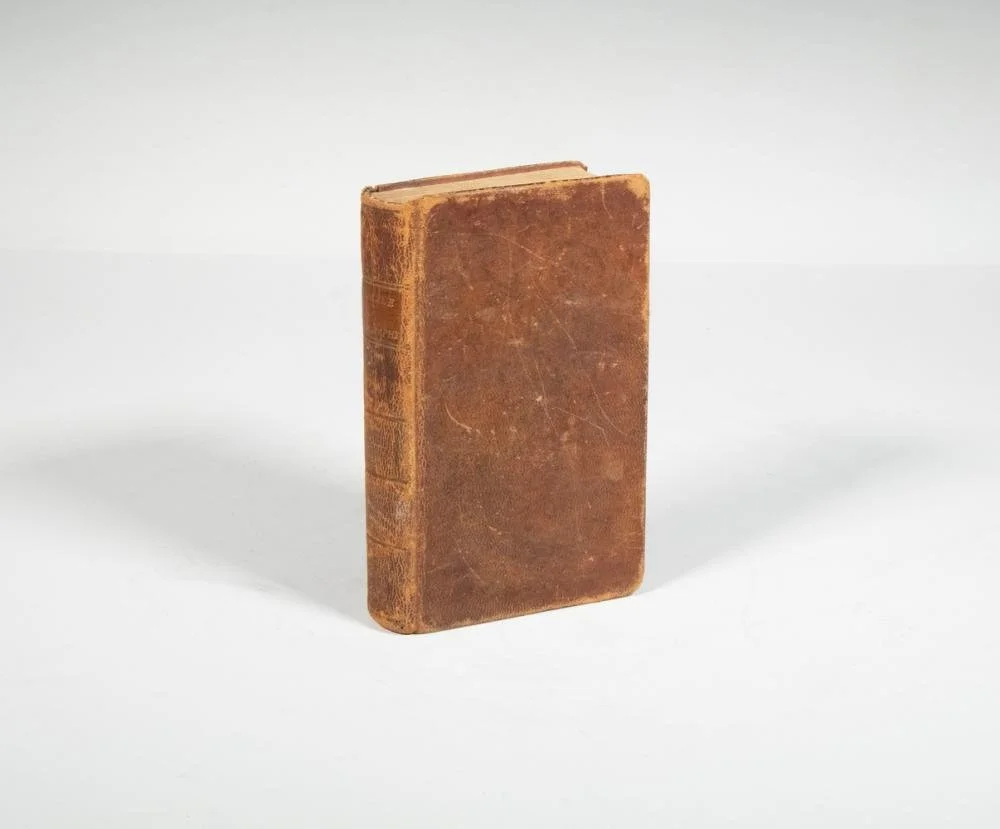
Rare First Edition 1804 Female Biographies, Leather Bound
Lot 9149 | June 12th, 2026
And yet, in 1803, "Eccentric Biography; or, Memoirs of Remarkable Female Characters, Ancient and Modern. Including Actresses, Adventurers, Authoresses, Fortunetellers, Gipsies, Dwarfs, Swindlers and Vagrants; Forming a Pleasing Reflection to the Female Mind" was printed and sold. Originally printed in 1803 by J. Cundee, Ivy-Lane and sold by T. Hurst, it accompanies the original 1801 release that has a focus on males, to form a two-part “Eccentric Biography or, Sketches of Remarkable Characters.” The first volume highlighted men, including the categories of statesmen, lawyers, painters, misers, and more to form a “pleasing Delineation of the Singularity, Whim, Folly, Caprice, of the Human Mind.” The “Pleasing Mirror of Reflection to the Female Mind” is categorized by “Chastity, Dissipation, Intrepidity, Learning Abstinence, and Credulity.”
A ripple effect of feme covert, women are isolated from that of humans. No longer a part of the human mind, the female mind is sequestered into a category all its own. Chastity and learning abstinence were heavily expected of men and women, but only the Female Minds volume lists these as important distinctions of the women contained within. Women were often viewed as naturally gullible or being credulous, lacking the rationality of men. However, dissipation and intrepidity appear as antonyms – women without fear, being bold, and rebellious. Women who overindulged in drinking, partying, and a lack of moderation, defined by those around her as being of moral or societal ruin.
Nonetheless, through our modern eye, the requirements used to distinguish these women range from incredibly misogynistic to shockingly revolutionary, simultaneously verifying and refuting Laurel Ulrich’s “well-behaved women seldom make history.” As stated by the author, the book is not intended to champion these women against the social norms, but to “to improve, as it exhibits virtue in its greatest purity, and vice in all its deformity,” going so far as to assure young women reading (and possibly their fathers purchasing) that “not a sentence, not a word has been admitted that can give the least offence to the most reserved delicacy.”
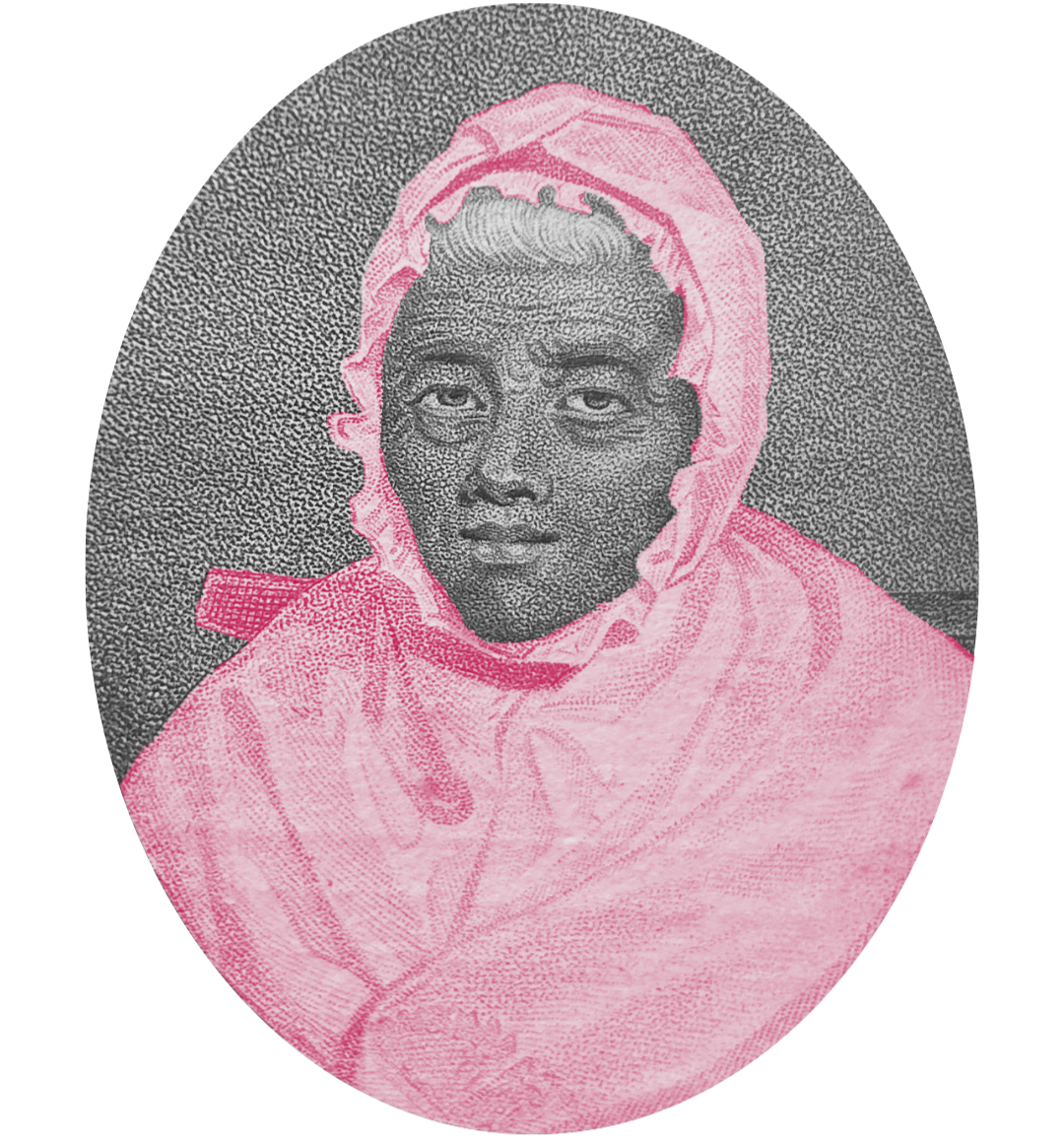
The book, highlighting 96 women across history, ranges from icons such as Cleopatra, Joan of Arc, and Mary Queen of Scots to women not commonly discussed in history, such as the first listed – Alice, “A female slave, and native of America.” Remembered now as Alice of Dunk’s Ferry, she was born around 1686 in Philadelphia and lived to be over 100 years old. Alice is remembered as one of America’s earliest oral historians. Described as being “a sensible intelligent woman and having a good memory,” Alice was a sharp woman who could detail the transformation of the city and recall “The ground on which Philadelphia stands, when it was a wilderness,” where Native Americans hunted wild game in the forests. The author notes that many would flock to her and listen as she recounted the evolution of the surrounding area.
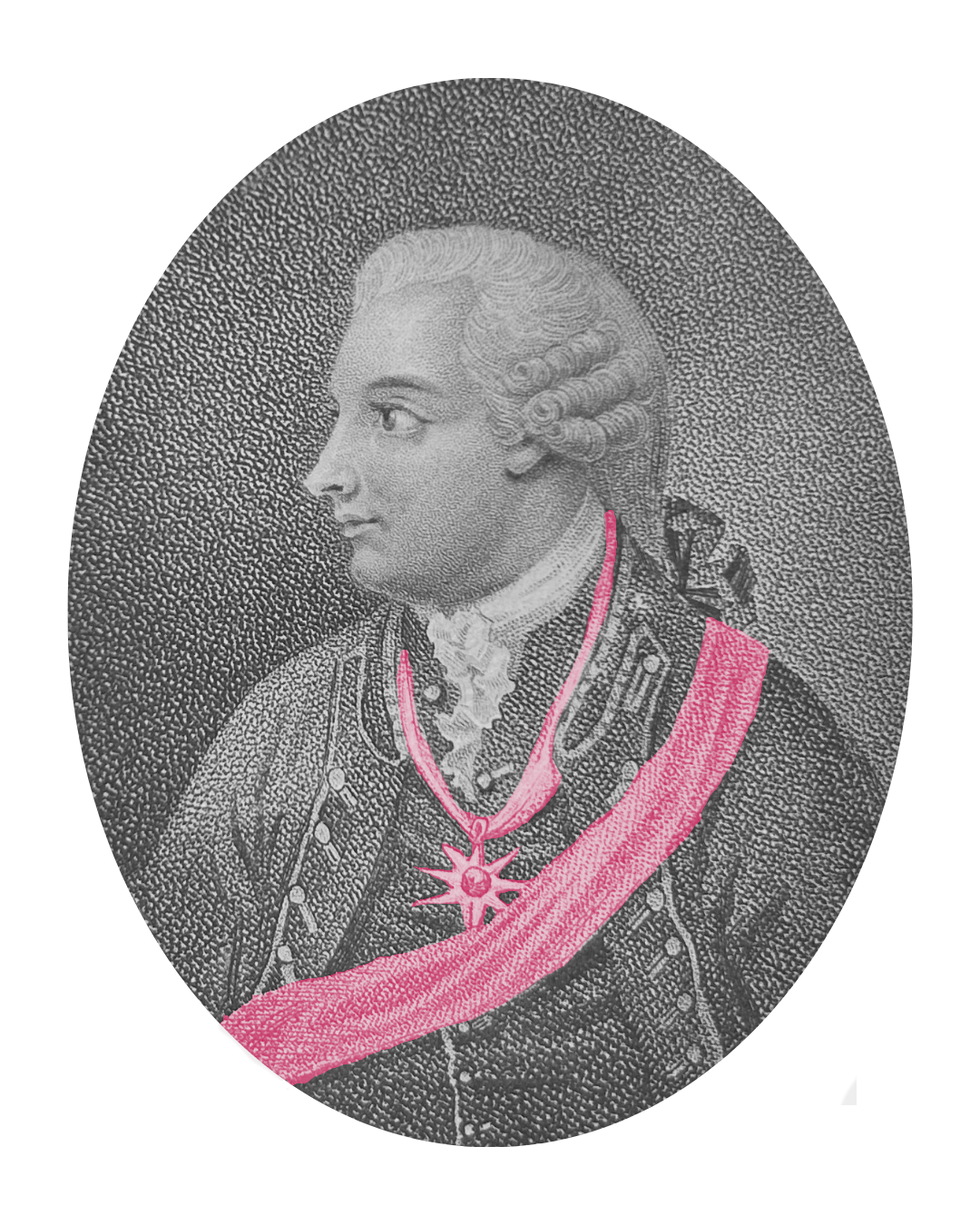
Throughout the book, the author expands on women across regions and backgrounds. Chevalier d’Éon, a French historical figure still alive at the time of publishing, had a vast education and led a successful career as a spy, soldier, and diplomat who helped negotiate the Treaty of Paris in 1763. While many women were not allowed these opportunities, d’Éon secured such prospects by living as a man in the first half of her life. Then in 1777, King Louis XVI ordered d’Éon to dress in women’s clothing and officially recognized her as female. Now regarded as a historical icon in the transgender community, the book dedicates a multitude of pages to listing her accomplishments and is even one of the few women illustrated within the pages.
A marvelous piece of history and insight into the representation of women in the early 1800s, the April 1804 edition printed by Isaiah Thomas in Worcester is coming to auction on June 12th. A unique opportunity for any feminist historian, antiquarian, bibliophile, or lover of rare pieces.
Curious to read? Google provides the 1803 copy printed by J. Cundee on behalf of the generous owners, the British Library, free to enjoy at the link below.